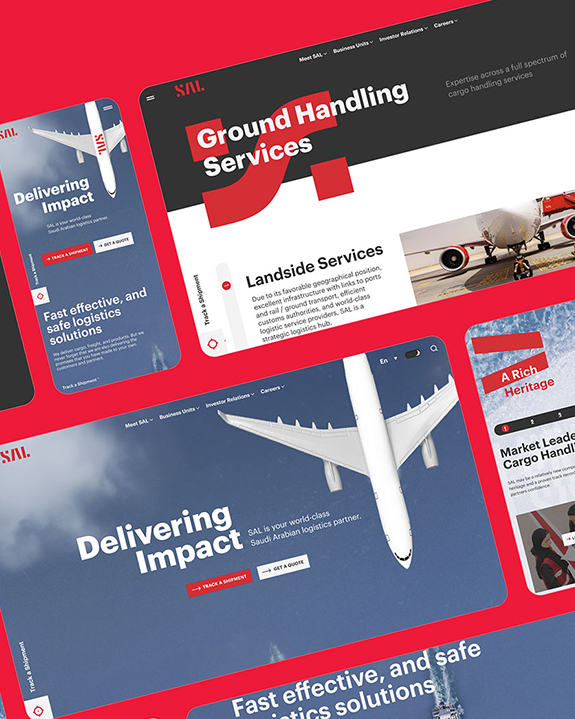
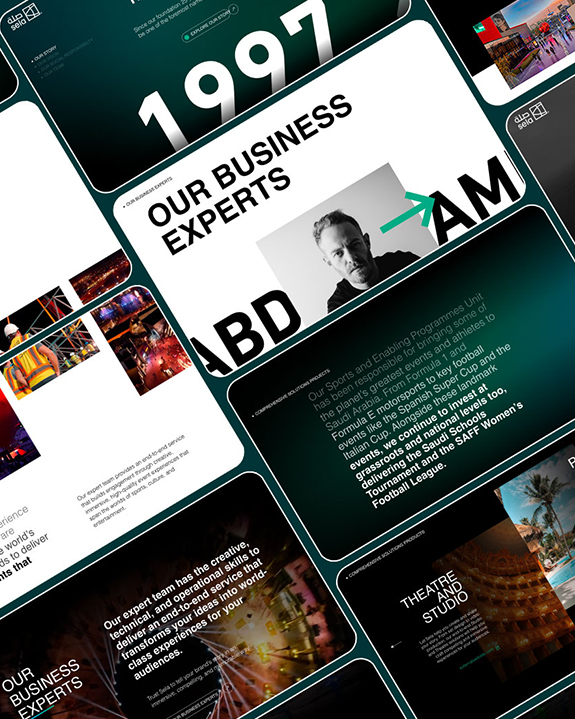
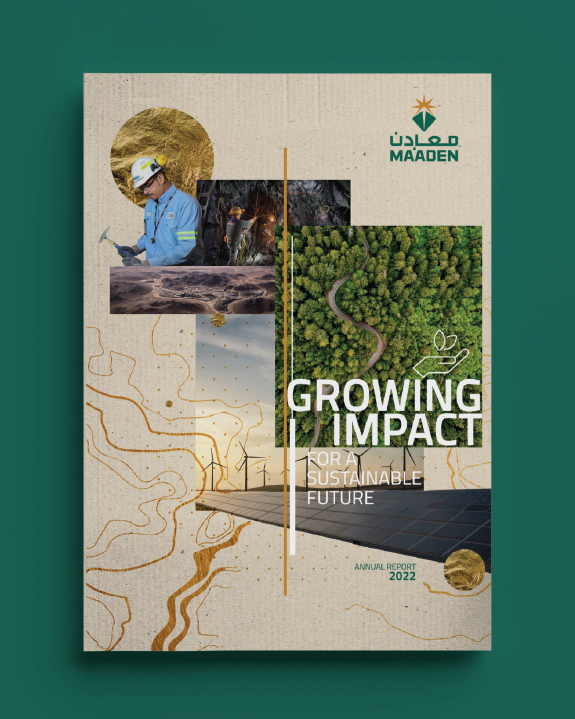
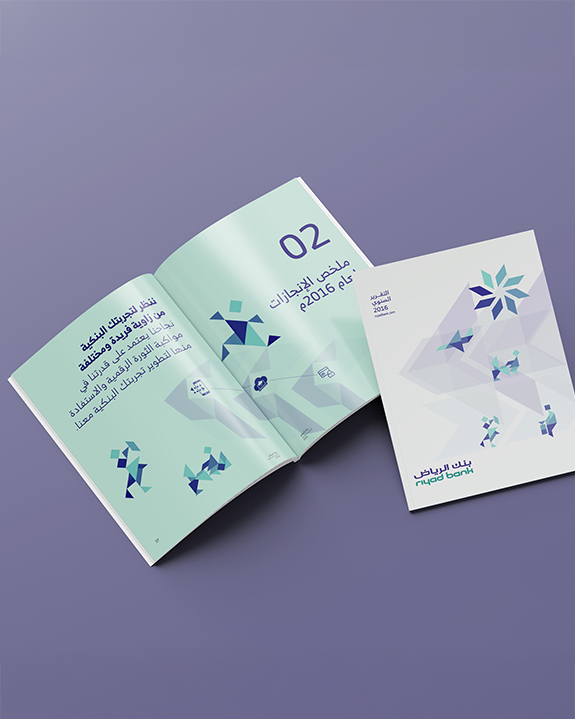
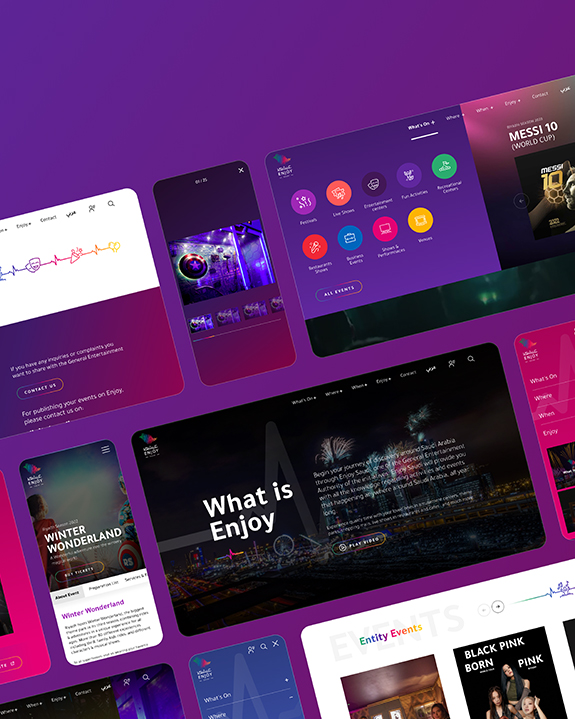
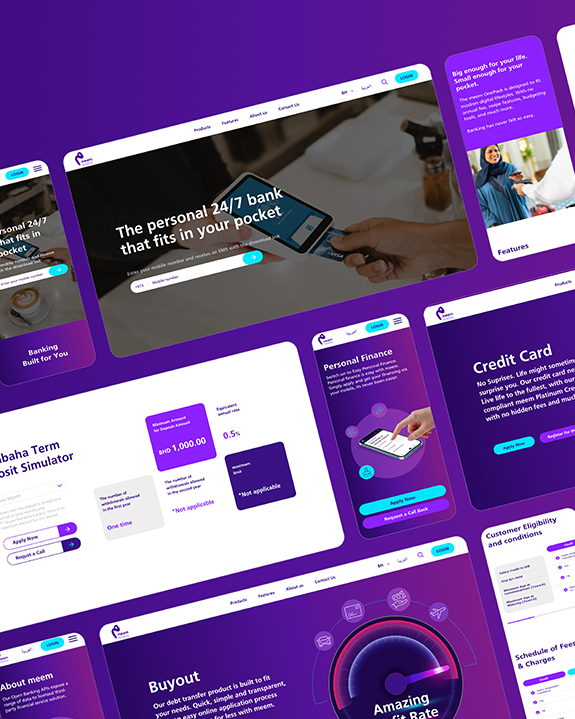
Digital experiences are only
effective when they guide users
seamlessly across platforms.
Designing screens without understanding the journey limits engagement, satisfaction, and conversion.
Intelligent experience systems integrate UX/UI design, data insights, and automation to create adaptive journeys that respond to user behavior and business objectives.
Beyond Individual Screens
Creating an intelligent experience system requires viewing the user journey as a connected whole rather than a series of separate screens. Each interaction should move the user closer to their goal while reinforcing your brand’s value.
Key considerations for high-impact UX/UI design:
Journey Mapping
Identify critical touchpoints across digital platforms, including web, mobile, and apps. Understand where users start, pause, or drop off to design interventions that guide them smoothly.
Behavior-Driven Design
Use data analytics to anticipate needs, predict friction points, and personalize interactions based on user behavior.
Consistency Across Touchpoints
Maintain visual, functional, and messaging consistency across channels. Cohesion builds trust and reduces cognitive load.
Adaptive Experiences
Design interfaces that adjust not only to device type but also to user context, preferences, and prior interactions.
Regional and Bilingual Relevance
In GCC markets like KSA, plan Arabic and English experiences from the outset to avoid later translation and usability issues.
Measurable Outcomes
Define success metrics early, such as engagement, retention, conversion rates, and satisfaction scores, to continuously refine the experience.
Users do not recall screens; they remember seamless journeys that anticipate their needs.
Designing with the journey in mind transforms usability into loyalty.
How Systems Transform UX
Traditional digital design often emphasizes visual appeal and functionality per screen. Intelligent experience systems focus on the flow across interactions.
Journey Mapping
Identify every touchpoint a user encounters, from discovery to repeat engagement.
Adaptive Interfaces
Interfaces respond dynamically to device type, user behavior, and context.
Feedback Loops
Continuous monitoring allows adjustments in real-time for personalized experiences.
Cross-Platform Consistency
Mobile apps, websites, and portals deliver coherent branding and functionality.
Intelligent systems anticipate user needs instead of reacting after the fact.
Evaluating Your Experience System
Use this framework to assess whether your digital ecosystem supports real journeys:
| Phase |
What It Does |
Why It Matters |
Outputs |
| Discovery |
Map current touchpoints and user behaviors |
Identifies gaps and friction points |
Journey map, insights report |
| Design |
Craft screens, interactions, and flows |
Ensures usability and intuitive navigation |
Wireframes, prototypes |
| Data Integration |
Connect analytics, CRM, and behavioral data |
Enables personalization and optimization |
Unified dashboard, KPIs |
| Testing & Feedback |
Conduct user testing and gather real data |
Confirms experience works across devices |
User insights, iteration plan |
| Continuous Update |
Implement improvements based on data |
Maintains relevance and drives engagement |
Updated UI/UX, refined flows |
A well-designed screen is a building block; the journey makes it meaningful.
Key Principles for Intelligent Experience Design
Start With the User, Not the Interface
Every decision should consider the context, goals, and preferences of the end user. Personas and journey mapping are critical early steps.
Prioritize Data-Driven Iteration
Collect behavioral data from all touchpoints and let it guide enhancements, from layout adjustments to content recommendations.
Ensure Cross-Platform Cohesion
Users expect a seamless transition between devices. Maintain consistent branding, navigation, and functionality.
Embed Regional and Bilingual Design Considerations
In KSA and the GCC, plan Arabic and English interfaces from day one to prevent inconsistencies and reduce rework.
Design for Flexibility and Scale
Systems should accommodate new features, campaigns, or user segments without requiring a complete redesign.
Intelligent design is sustainable design.
Flexibility allows you to evolve without breaking the user journey.
Common Mistakes to Avoid
Designing screens in isolation without considering the journey
Ignoring analytics and real user behavior
Overcomplicating interfaces with unnecessary features
Neglecting multilingual and regional user expectations
Underestimating the need for continuous iteration and testing
Static design creates friction, but continuous adaptation drives engagement.
Metrics to Track
Measure the success of your intelligent experience system using metrics that reflect journey efficiency, not just individual screens.
Task Completion Rate
Do users complete the goals the experience intends?
Time on Journey
Are interactions smooth and intuitive?
Engagement Across Devices
Do users interact consistently across platforms?
Conversion Rate
Are optimized flows leading to desired outcomes?
Retention and Repeat Visits
Is the experience compelling enough to bring users back?
Regular measurement ensures your design system evolves alongside user expectations.
Aligning Experience Systems with Business Strategy
Intelligent experiences should support broader business goals. Consider:
Customer Retention
Reduce friction and personalize interactions to encourage loyalty.
Revenue Growth
Guide users toward conversion efficiently through optimized flows.
Brand Consistency
Ensure all interfaces reflect your identity and values.
Compliance and Regional Relevance
Adapt experiences to local regulations, cultural norms, and bilingual requirements.
Spark Insight: A journey aligned with business strategy converts experience into measurable outcomes.
Framework for Implementing Intelligent Experience Systems
A simple three-step approach helps guide teams:
| Step |
Focus |
Why It Matters |
| Map |
Identify all touchpoints and user paths |
Reveals gaps and optimization areas |
| Design |
Create adaptive, responsive interfaces |
Provides seamless and intuitive flows |
| Optimize |
Continuously monitor and improve |
Ensures relevance and sustained impact |
This framework keeps teams focused on the journey, not just the individual screens, and helps integrate UX/UI efforts with marketing, product, and analytics functions.
A framework creates discipline; without it, user experience is inconsistent.
Experience Digital Journeys, Not Just Screens
Building intelligent experience systems changes your digital presence from isolated screens into a seamless, connected journey.
Every touchpoint is designed to engage users, guide them toward meaningful actions, and encourage ongoing interaction.
Extending these principles across web, mobile, and other digital platforms ensures a consistent, unified experience that strengthens satisfaction and loyalty.
Users stay when experiences feel intuitive, relevant, and frictionless.
Begin designing experiences
that move users
and deliver results today.