How to Shift from UI Fragments
to End-to-End Experience Systems
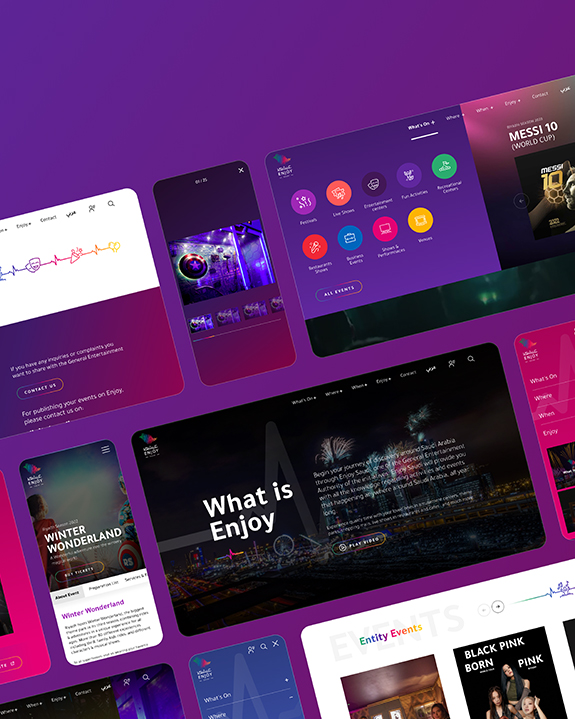
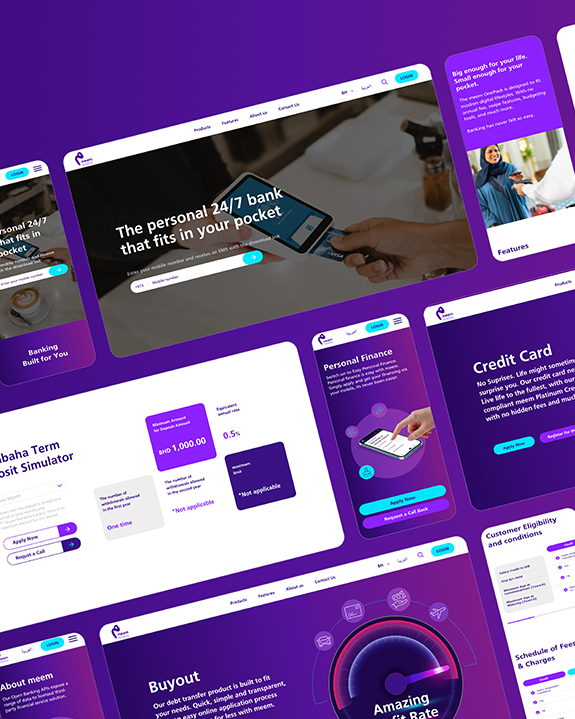
Digital experiences often fail
not because of poor design but
because of disconnected design.
Every screen looks good on its own, yet together they don’t form a coherent journey.
The result
Users drop off, teams duplicate work, and brands lose momentum. The real power of design lies in how seamlessly individual screens connect.
Why the Shift Matters
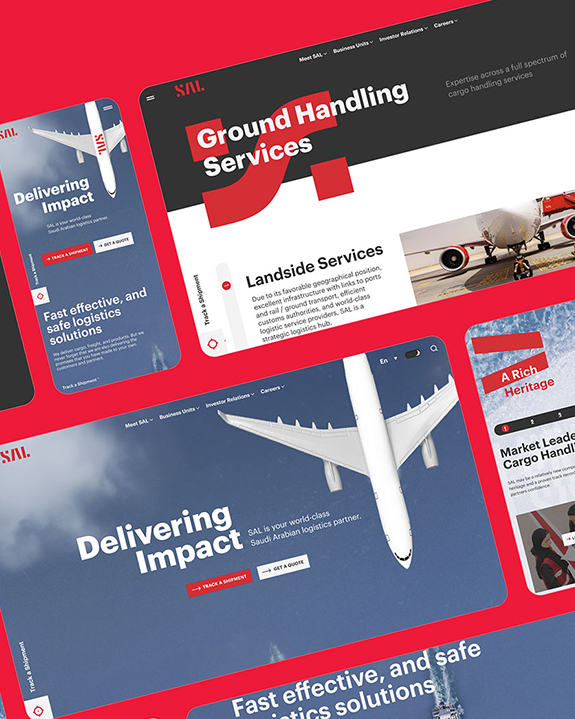
Most organizations still design touchpoints in isolation — a new landing page here, an app update there, a refreshed dashboard next quarter. Each element may be well-built, but users don’t experience brands in fragments. They experience them as journeys.
An end-to-end experience system unites UX, UI, content, and data into one architecture that learns and evolves. Instead of reacting to each project, you design a connected ecosystem that scales intelligently.
When every interaction feels intentional, users stop noticing design, and start trusting your brand.
From Screens to Systems: What Changes
Moving to an experience system changes how you plan, design, and measure.
| Focus Area |
Old Approach |
New System Approach |
| Design Process |
Visual-first, project-based |
Experience-first, continuous and adaptive |
| Teams |
Siloed (UX, UI, dev separate) |
Cross-functional with shared metrics |
| Data |
Used post-launch |
Integrated in every design phase |
| Consistency |
Managed through guidelines |
Governed by live design systems |
| Outcome |
Individual project success |
Unified customer journey impact |
Spark Insight:
Design systems make consistency possible; experience systems make it meaningful.
How to Build an Experience System
Think of it as a framework that connects intent, design, and data.
1. Map the Entire User Journey
Start with the experience, not the interface. Identify where users begin, what motivates them, and what success looks like. Document emotional and functional stages across channels.
Example:
A bank reimagines its onboarding flow by mapping not just the sign-up form but the entire decision journey, from research to first transaction. The insight led to redesigning content and tone across emails, app prompts, and branch experiences.
2. Unify Design and Data
Every design choice should have a measurable outcome. Integrate analytics early to track how micro-interactions affect macro-behaviors. Data closes the loop between design intent and business results.
3. Build Shared Components, Not Just Screens
Create flexible UI components that can adapt across products. This shortens delivery time and ensures visual and behavioral consistency. More importantly, it allows experiences to evolve collectively instead of in isolation.
4. Enable Real-Time Feedback
Continuous improvement depends on visibility. Use live dashboards, session recordings, and satisfaction scores to guide updates. The goal is faster learning rather than more data.
A Practical Framework
| Step |
What It Does |
Why It Matters |
Key Output |
| Discover |
Audit all digital touchpoints |
Reveals fragmentation and duplication |
Audit all digital touchpoints |
| Define |
Clarify user journeys and business goals |
Sets shared direction |
Journey blueprint |
| Design |
Create modular systems, not static screens |
Enables scalability and adaptation |
Living design system |
| Deploy |
Roll out and monitor in sprints |
Keeps learning continuous |
Performance dashboards |
| Evolve |
Use insights to refine across channels |
Maintains relevance and growth |
Adaptive experience loops |
Experience systems are living organisms, they grow with your users.
Aligning Teams Around the System
End-to-end experiences only work when teams share ownership.
Bring UX, content, and engineering into the same sprint cycles.
Set shared KPIs: engagement, satisfaction, and task completion.
Create feedback loops between design and performance analytics.
Aim to align purpose.
When everyone designs for the same journey, friction drops and creativity increases.
Integrating Regional and Cultural Context
In markets like the GCC, user expectations extend beyond functionality. Regional design success requires understanding bilingual parity, cultural preferences, and accessibility norms.
Bilingual Parity
Design Arabic and English interfaces simultaneously to avoid misalignment.
Cultural Adaptation
Test visuals and tone with local audiences before rollout.
Regulatory Alignment
Ensure systems comply with local data and accessibility standards.
Localization doesn’t mean translation.
Localization is about respecting how people experience technology.
Measuring Experience System ROI
Shifting to end-to-end systems changes what you measure. Move from campaign metrics to experience health indicators.
Key metrics to track:
Time to task completion
Measures efficiency and usability.
Net promoter score (NPS)
Reflects user trust and loyalty.
Cross-channel consistency
Tests visual and behavioral coherence.
Adoption and retention rates
Show system impact over time.
Design debt reduction
Indicates operational efficiency.
Tracking these over quarters
not campaigns, reveals how experience systems directly support long-term growth.
Common Barriers and How to Overcome Them
Fragmented ownership
Appoint an experience lead who bridges design, marketing, and technology.
Legacy platforms
Introduce system layers gradually through modular components.
Unclear KPIs
Define what “good experience” means for your brand early.
Resistance to change
Show measurable wins through pilot projects to build momentum.
The fastest way to prove value is to redesign one journey, not one screen.
Experience Design That Thinks Beyond the Interface
True innovation happens when design becomes invisible, when every touchpoint works together to guide, inform, and delight. End-to-end experience systems bring that cohesion to life.
They replace disjointed UI projects with evolving ecosystems that connect user intent, brand strategy, and measurable outcomes. The result will be a sustained growth built on trust and clarity.
When journeys work, users stay.
And when systems work, brands grow.
Build experiences that
connect, adapt, and perform.