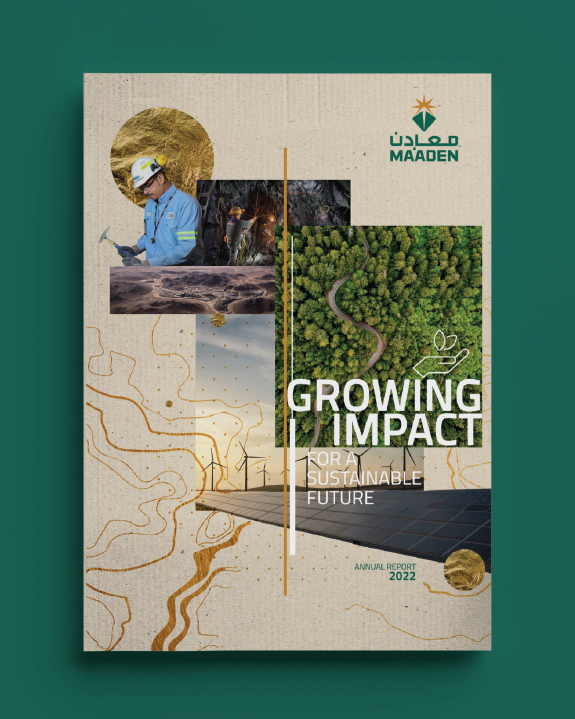
The corporate world has reached a definitive tipping point regarding sustainability. For years, environmental, social, and governance (ESG) reporting operated as a peripheral exercise; a glossy, separate corporate social responsibility brochure printed on recycled paper and tucked away on a company website. These documents were largely detached from the rigorous auditing standards governing financial accounts, often relying on vague aspirations, generic stock photography of wind turbines, and qualitative pledges that lacked verifiable backing. Today, that siloed era has decisively ended.
As global capital markets face intensifying systemic risks, ranging from climate destabilization and resource scarcity to shifting regulatory regimes like the European Union's CSRD and ISSB baselines, sustainability is no longer a side project. It is core to enterprise survival. Consequently, the annual report has become the primary battleground where sustainability claims are tested, scrutinized, and validated by institutional investors, rating agencies, and discerning consumers alike.