logo

SAL
Catrion
STC
Bank Albilad
One Banking
PIF
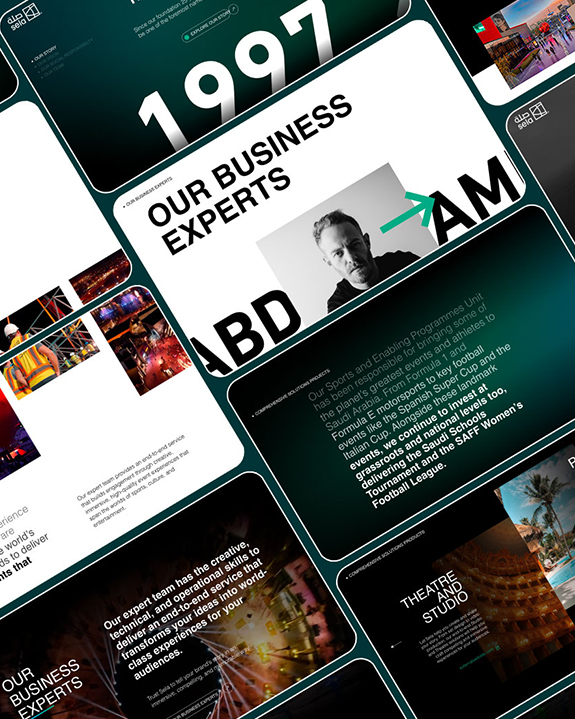
SELA
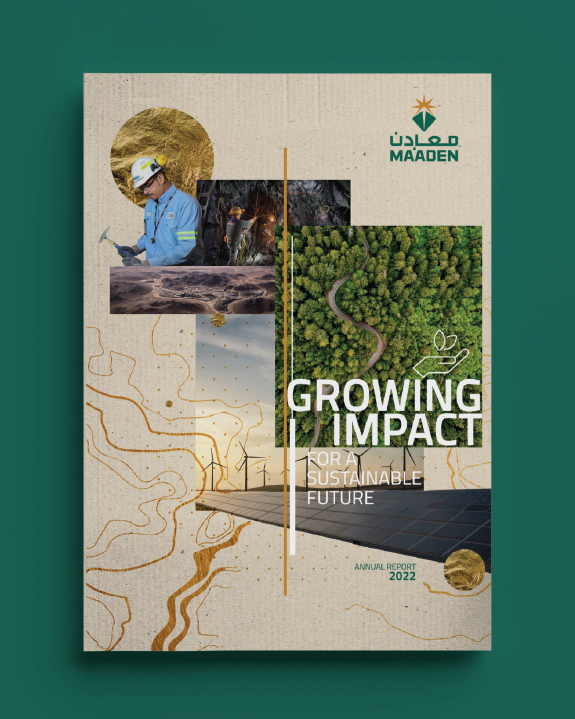
Ma'aden
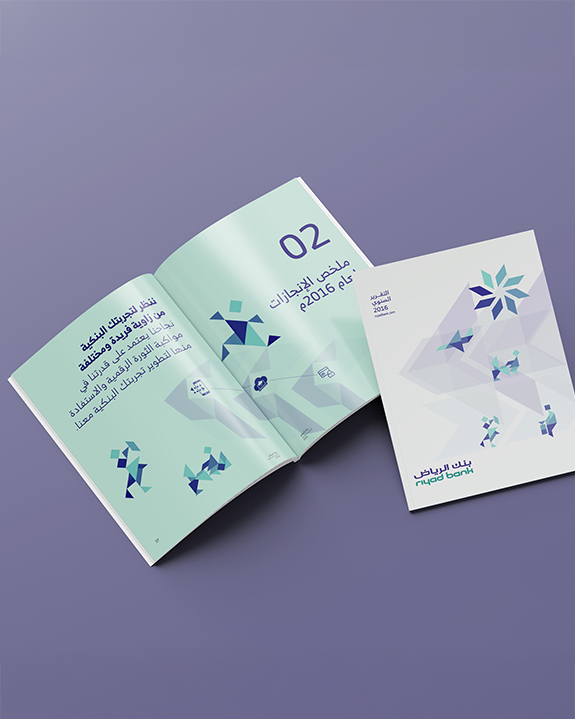
Riyad Bank
Genalive
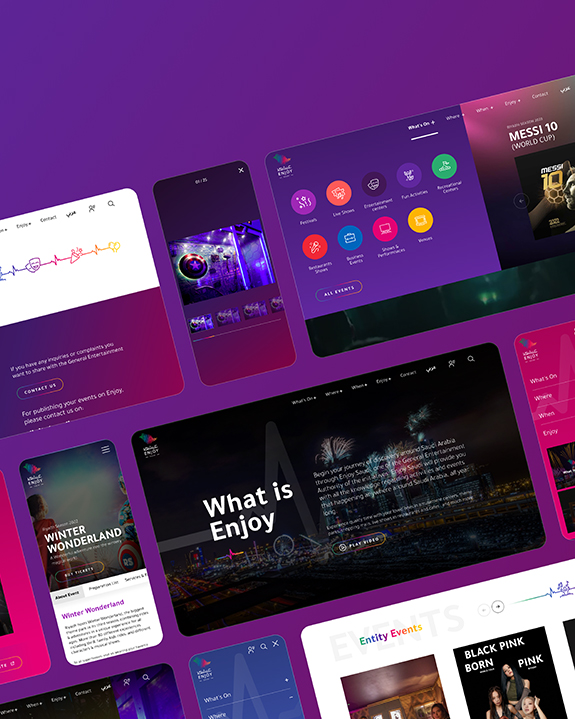
Enjoy
Meem Bank
Project
Project
Project
Project
Project
Project
Project
Project
Project
Project
Project
Project

Start a Conversation

Hi! Click one of our member below to chat on WhatsApp

Rebranding in the GCC: Lessons from Telecoms,

Real Estate & Government

Cut confusion, keep trust,

and launch a brand that works

from storefront to super app.

Rebrands in the Gulf move fast and carry weight. They play out on billboards, in retail stores, inside government portals, and across super apps used every day. The winners plan for regulation, bilingual reality, and service delivery. The losers focus on logos and then spend months untangling confusion.

This guide distills what actually works in the GCC, with patterns from telecoms, real estate, and government programs.

What you need to know first

Strategy leads. Visuals follow.

Arabic and English are peers. Plan parity from day one.

National visions matter. Tie outcomes to national goals with specifics.

Service experience is the brand. Stores, apps, portals, contact centers.

Rollout is a project plan, not a press release.

Why rebrands happen here

Portfolio shifts:

telco to tech company, developer to lifestyle platform, agency to service-first government entity.

Market change:

5G and fintech, gigaprojects and new districts, digital-by-default public services.

Governance:

mergers, privatizations, new mandates.

Reputation reset:

simplification after rapid growth or fragmented sub-brands.

Sector lessons that save time and budget

Telecoms: from telco to tech company

Where it fails

New look

same tariff maze.

Sub-brands

that fight each other.

Stores rewrapped

journeys unchanged.

What works

One architecture:

master brand, digital-only brand, enterprise, financial services, entertainment.

Product naming grid that people can read:

speed, data, contract term, benefits.

Retail playbook:

signage, queueing logic, device walls, SIM and eSIM flows.

CX first:

number transfer, add-on purchase, family bundles, roaming.

Data hygiene:

migrate plans and benefits without hidden downgrades.

Beautiful identity

unclear fees and handover dates.

Masterbrand

and project names with no logic.

Sales suite

says one thing, website says another.

What works

Brand architecture

that matches how people buy: corporate, districts, projects, amenities, programs.

Payment plan visuals

escrow facts, developer track record.

Listing page

anatomy that answers cost, availability, floor plans, commute.

Wayfinding

and place identity connected to the digital map.

Post-handover brand:

snagging, community app, service response times.

Government: from identity to trust in service

Where it fails

New seal and slogan

no change in process.

English and Arabic

tone mismatch.

Parallel portals

with conflicting data.

What works

Service maps before slogans:

permits, payments, appointments, certificates.

Plain-language

policy pages that explain rights and steps.

One design system

for UI, content, and accessibility.

Name conventions

that survive across ministries and initiatives.

Transition guidance

for citizens and businesses, not just a press conference.

The rebrand framework that travels well

1) Diagnose and decide

Evidence:

perception study, service metrics, portfolio analysis.

Position:

who you serve, what you solve, why it matters now.

Guardrails:

what you will never claim.

Output

positioning statement, proof pillars, decision principles.

2) Architecture and naming

Map the brand family:

master brand, endorsed brands, products, programs, channels.

Decide

when to retire, rename, or endorse.

Create

a naming system that is bilingual and scalable.

Output

architecture map, naming rules, sample migrations.

3) Voice and visual systems

Voice matrix by situation

announce, guide, apologize, warn.

Bilingual parity:

tone, formality, glossary, microcopy patterns.

Visual system:

typography pairs for EN and AR, grids, color, motion, iconography.

Output

design system and content system that product teams can actually use.

4) Experience and content

Redesign high-impact journeys:

plan purchase, top up, book appointment, pay bill, file request.

Templates that keep parity:

app screens, store signage, bills, invoices, contracts, FAQs, social.

Accessibility checks:

sizes, contrast, labels, alt text, RTL logic.

Output

prototypes, content library, component documentation.

5) Compliance and readiness

Regulatory reviews:

sector regulators, stock exchanges, municipalities, postal and address standards, numbering plans.

Legal:

trademarks, domains, app store names, contracts, privacy notices.

Data and billing:

plan codes, SKUs, tax layouts, fee disclosures.

Output

approvals, legal inventory, go-live packets.

6) Launch and stabilization

Cutover weekend plan:

what changes when, who is on call, rollback steps.

Stakeholder comms:

partners, distributors, landlords, agencies, media.

Monitoring:

tickets, sentiment, outages, misinformation.

Output

clean launch, two-week hypercare, lessons logged.

Architecture in one page

Layer Purpose Examples
Master brand Reputation and trust Corporate name and seal
Endorsed brands Distinct offer with shared equity Youth sub-brand, enterprise arm, national program
Product tiers Choice without confusion Good, Better, Best or S M L with clear benefits
Services What people actually do Pay bill, book viewing, register a business
Channels Where it lives App, web, store, kiosk, call center, social

Rule: if a sub-brand cannot explain its role in one sentence, it should not exist.

Bilingual parity that does not break builds

Plan both languages from day one.

Pick font pairs that match weight and rhythm.

Write to real line lengths, not lorem ipsum.

Avoid idioms that fail in the other language.

microcopy bank Keep one glossary and for everyone.

Rollout choices: phased or big bang

Phased

Pros:

lower risk, learning between waves.

Cons:

old and new overlap, longer confusion window.

Big bang

Pros:

clarity and momentum, one story.

Cons:

higher day-one risk, requires tight readiness.

Pick by complexity and regulatory deadlines.

Either way, own a single source of truth.

beyound-img

Metrics that prove the rebrand worked

Area Metric Target idea
Awareness Unaided brand recall Up and sustained after 90 days
Understanding Value prop clarity score Up across both languages
Experience Task completion rate for top journeys Above 80 percent on mobile
Trust Complaint rate per 1,000 customers Down without extra handling time
Commercial Store conversion or plan upgrades Up in target segments
Digital App MAU and repeat actions Up, stable beyond the campaign peak
Parity EN vs AR satisfaction gap Less than 10 percent difference

Do and Don’t

Do Don’t
Tie the story to national goals with evidence Use slogans that cannot be measured
Fix journeys people use every day Repaint stores and ignore SIM, bills, and portals
Publish a clear architecture map Let sub-brands multiply without rules
Design parity for Arabic and English Translate at the end and hope it fits
Prepare regulators and partners early Surprise stakeholders on launch week
Monitor and adjust for two weeks Declare victory on day two

Risk patterns to avoid

Name change without domain or app store availability.

New tariff names, old billing codes.

Media launch ahead of retail readiness.

Visual refresh with no service improvement.

Parallel sites with conflicting data.

Ready to rebrand without chaos?

If you want a rebrand that aligns with national priorities, works in both languages, and launches cleanly across stores, apps, and portals, Spark can help. We build systems that teams can run and customers can trust.

Frequently Asked Questions

Telecoms: how do we handle the youth sub-brand?

Give it a clear job, for example prepaid digital-first. Set guardrails on pricing and promotions so it does not cannibalize the master brand without a plan.

Real estate: should projects carry standalone brands?

Only if they deliver a distinct promise and will live for years. Otherwise use a location-led naming system under the master brand.

Government: how do we signal change beyond a new identity?

Publish a simple service map, remove steps from the top five services, and show before versus after metrics in public. Brand belongs to delivery.

How long should a full rollout take?

Plan the core change within one quarter, then stabilize for another. Use waves for deep physical assets such as signage or vehicle fleets.

Related Articles

Deep dives into what matters