logo

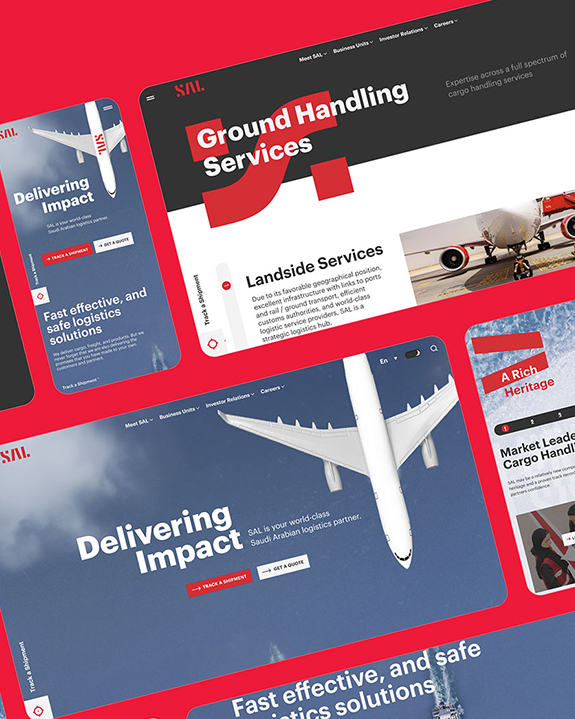
SAL
Catrion
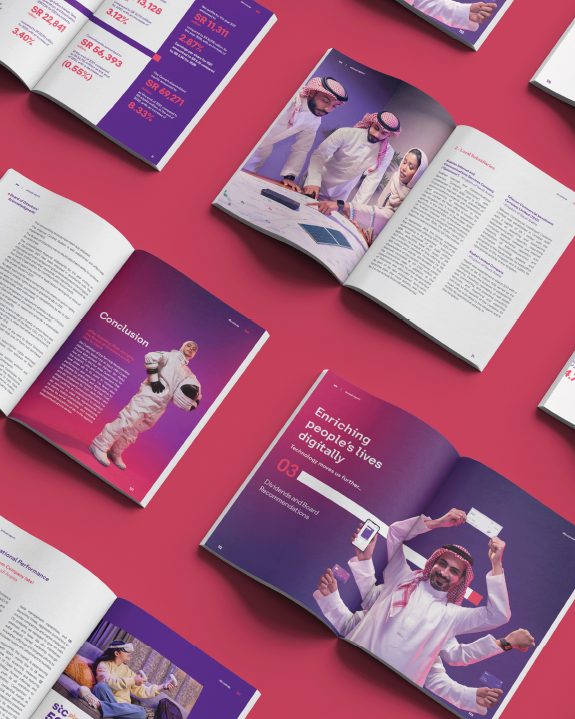
STC
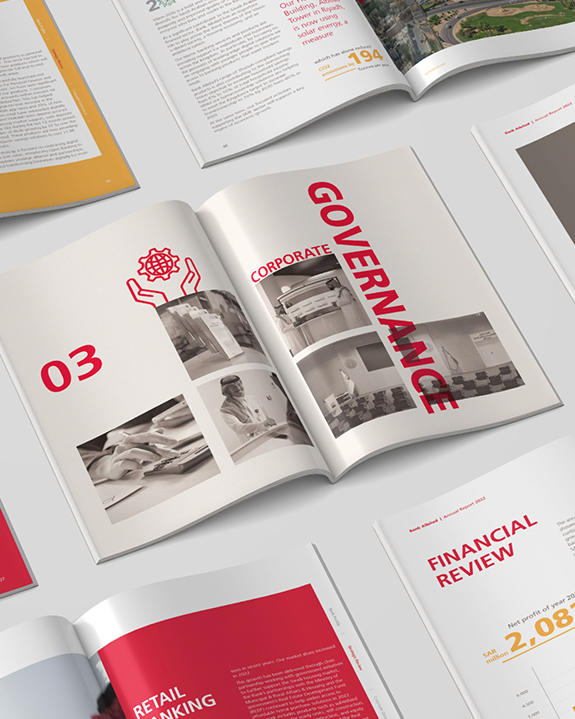
Bank Albilad
One Banking
PIF
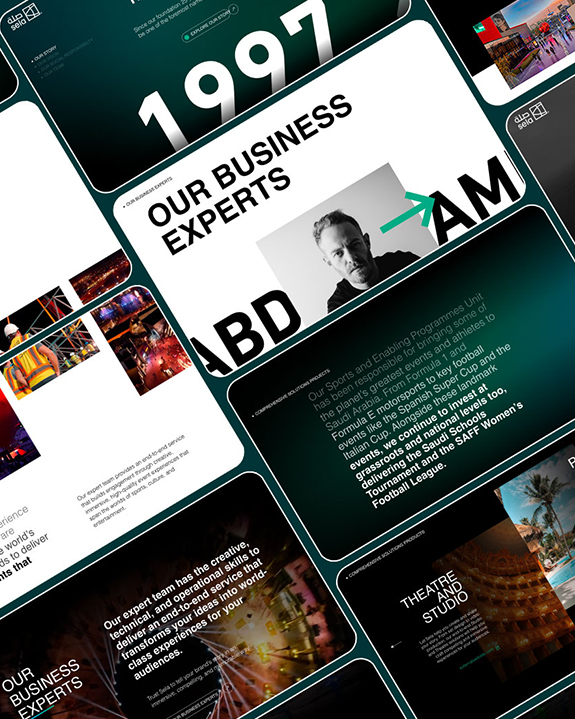
SELA
Ma'aden
Riyad Bank
Genalive
Enjoy
Meem Bank
Project
Project
Project
Project
Project
Project
Project
Project
Project
Project
Project
Project

Start a Conversation

Hi! Click one of our member below to chat on WhatsApp

The Cost of an Afterthought

Across reporting cycles in Riyadh, I keep seeing the same pattern. The compliance sections are detailed, but the investor narrative is an afterthought. Saudi listed companies spend months producing compliant annual reports while the strategic narrative often comes together near the end of the process. The technical compliance threshold, and the quality of the investor narrative that sits above it, has never been more consequential.

The imbalance becomes obvious once the reporting process begins. Teams of lawyers, compliance officers, risk managers, and external auditors painstakingly review every regulatory disclosure to ensure absolute perfection. Meanwhile, the strategic narrative which is the actual story of how the business creates long-term value and navigates market disruptions is cobbled together at the last minute. It is often assembled late in the process, frequently relying on language carried forward from previous years.

This ratio is entirely backward. When you treat the investor narrative as a secondary chore to be handled after the auditing is done, you tell the market that you have nothing compelling to say beyond the fact that you have not broken any laws. 

Most listed companies spend five months producing their annual report and five minutes deciding what it should say to investors. 

beyound-img

When The Narrative Creates Friction

Investors can only evaluate what they understand. The harder the story is to follow, the harder it becomes to build conviction around it.

When a strategic narrative is thin, disjointed, or buried underneath mountains of boilerplate text, institutional investors and buy-side analysts face immense friction. They must do extra homework just to understand your basic business model. In institutional finance, uncertainty has consequences. The harder a business is to understand, the harder it becomes to assess. 

A London fund manager forms her verdict on a Saudi company in the first three minutes on its investor relations portal. Most regional portals were not designed with that reality in mind. Investors rarely have the time to assemble the story themselves. When the narrative is fragmented, they are left connecting the dots between strategy, performance, and future direction. The harder that work becomes, the harder it is to build conviction around the business.

The Tadawul Governance Reality

This imbalance stems from a legacy mindset that views corporate reporting strictly through the lens of risk mitigation. In the GCC, the regulatory landscape has matured rapidly. Listed companies on the Tadawul face stringent oversight, and the implementation of sophisticated reporting standards demands rigorous technical alignment. 

However, technical compliance is merely the baseline floor. Sophisticated global investors targeting the region do not buy shares because a company successfully avoided a regulatory penalty. They buy shares because they understand the growth thesis. If leadership cannot articulate a clear path forward under regional dynamics like Saudization or changing board composition, the market assumes no such path exists. 

Rebalancing the Reporting Architecture

It is time to rebalance the scales completely. Treat your strategic investor narrative with the exact same rigorous governance, executive focus, and strategic depth that you accord to your financial audits. 

CEOs and CFOs must own this narrative personally. It is not a standard corporate communications task. It is a critical lever for capital efficiency and investor relations. 

CEOs and CFOs must own this narrative personally. 

It is not a standard corporate communications task. It is a critical lever for capital efficiency and investor relations.

ACTION AVOID

State the growth thesis directly 

Hedge with vague qualifications 

Name specific regulations and indices

Reference the general regulatory environment

Design the narrative structure first 

Treat the front half as a layout afterthought 

Use evidence to establish stakes 

Use confidence as a substitute for data 

FAQs

Does a strong investor narrative risk overpromising to the market?

No. An earned narrative does not use superlatives or excitement. It lays out a clear, evidence-based case, letting the data and strategic architecture do the work. 

How much time should senior leadership invest in the front half of the report?

The strategic narrative requires direct executive ownership. It should be treated with the same governance and review cycles as a financial audit, not outsourced as a late-stage copywriting exercise

Related Articles

Deep dives into what matters