

-
We Are Spark

-
Insights
-
Thinking
-
The New Reader
-
Services







Hi! Click one of our member below to chat on WhatsApp

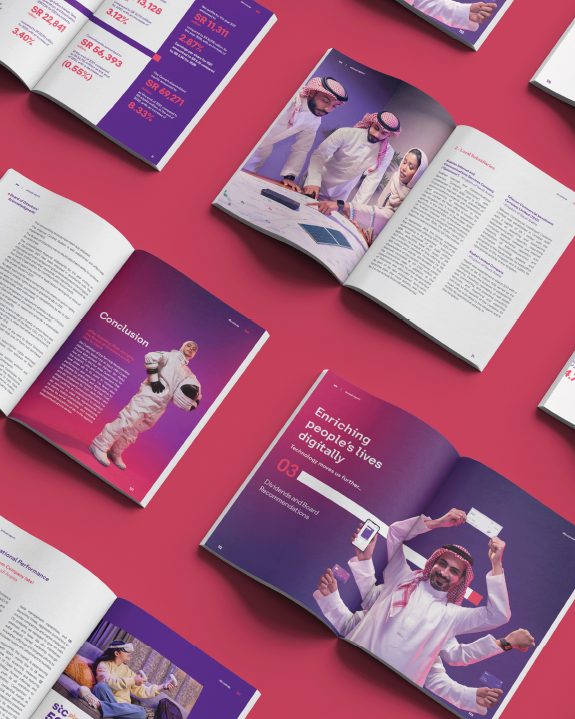
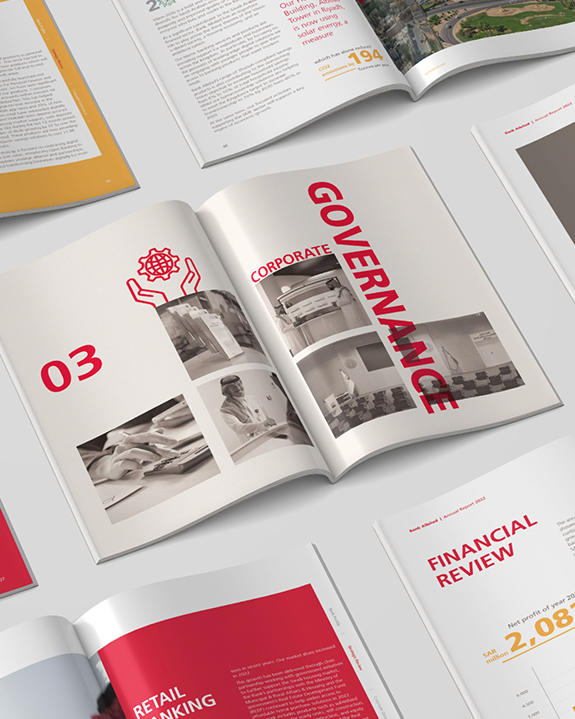
We have been designing annual reports for 14 years, and in that time, we have watched the entire landscape of corporate disclosure shift beneath our feet. One pattern has become increasingly difficult to ignore. Investors are spending more time with annual reports, reading them more closely, and drawing broader conclusions from them than many management teams realize. Most companies have simply not adjusted for that reality.
For decades, corporate reporting operated on a practical assumption: nobody read the front half of an annual report. It was widely assumed that analysts went straight to the financial spreadsheets at the back, regulators checked for specific keywords, and everyone else skimmed the executive summary. Because of this comfortable assumption, companies allowed their reports to become bloated repositories packed with impenetrable corporate jargon. It was a safe way to say everything required by law while communicating absolutely nothing of substance that helped investors understand the business.

This legacy approach encouraged reporting processes that prioritized completeness over clarity. Documents were assembled by disjointed committees, polished to a dull shine by public relations teams, and designed to look impressive on a coffee table without ever inviting anyone to read past the first page. It created the appearance of transparency without necessarily improving understanding.
But the modern investment landscape has changed. A new generation of data-literate analysts, asset managers, and investors actively scans these documents for genuine strategic alignment rather than public relations spin.
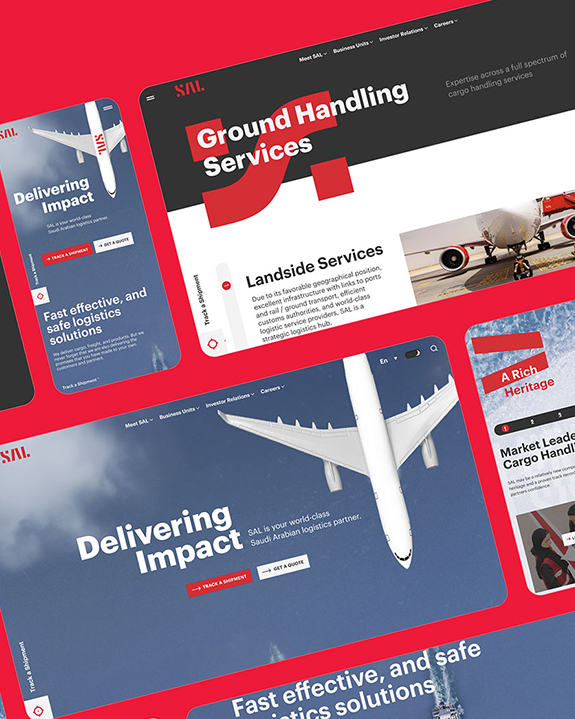
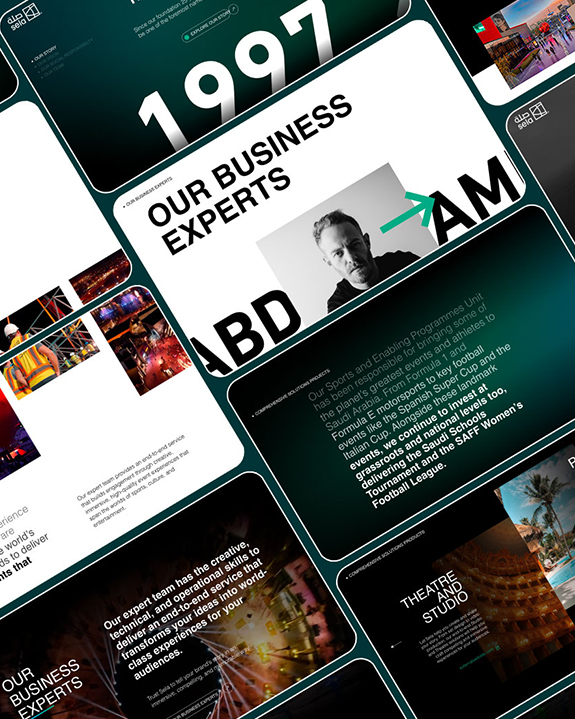
A London fund manager forms her verdict on a Saudi company in the first three minutes on its IR portal. Most IR portals were not designed with that in mind.
Armed with sophisticated digital tools, natural language processing AI, and heightened skepticism, these readers look past boilerplate text. They check if management truly understands its own market dynamics, competitive pressures, and operational vulnerabilities. When they find an annual report that is just a collection of disconnected department updates wrapped in marketing fluff, they immediately lose confidence in the leadership team.
This new class of reader treats the annual report as a window into the competence of the corporation. They evaluate the consistency of the message across multiple years to judge whether management actually does what it promises to do. They spot a recycled strategy immediately, and lack of clarity raises questions about management's understanding of the business.
By the time an analyst opens the annual report, they rarely arrive with a blank sheet of paper. They already have a view of the business. The report helps them decide whether that view holds up. They cross-reference your annual disclosures with global supply chain data, employee sentiment, and macroeconomic realities, making any fluff immediately obvious and highly damaging to your credibility.
It is time to rebalance the scales completely. Treat your strategic investor narrative with the exact same rigorous governance, executive focus, and strategic depth that you accord to your financial audits.
CEOs and CFOs must own this narrative personally. It is not a standard corporate communications task. It is a critical lever for capital efficiency and investor relations.
You can no longer afford to write annual reports for an imaginary audience that does not care or does not pay attention. Your readers are highly sophisticated, deeply skeptical, and paying closer attention to your written words than ever before in corporate history.
you are failing your first and most critical test with the market. Every line of text must now earn its place on the page by providing real clarity.
| ACTION | AVOID |
|---|---|
|
Write to your readers as professional equals |
Treat them like a passive, uncritical audience |
|
Provide data-driven strategic alignment |
Use public relations spin or marketing fluff |
|
Ensure multi-year strategic consistency |
Publish recycled strategies or disconnected updates |
|
Deliver clear, high-substance evidence |
Use impenetrable corporate jargon to fill space |
Stop viewing the annual report as an annual chore. Start treating it as a high-stakes conversation with the very people who validate your company's existence. In this climate, a transparent, narrative-driven report is an increasingly important part of investor communication.
Modern analysts use digital tools and natural language processing to cross-reference corporate claims against macroeconomic realities, supply chain data, and historic performance. Discrepancies lead to an immediate loss of confidence.
Investors do not read boilerplate language and conclude that the communications team had a difficult deadline. They conclude that management has chosen not to say anything meaningful. That is a much harder perception to reverse.